Understanding Encrypted Order Flow in BTC Mixers: A Comprehensive Guide

Digital Assets Strategist
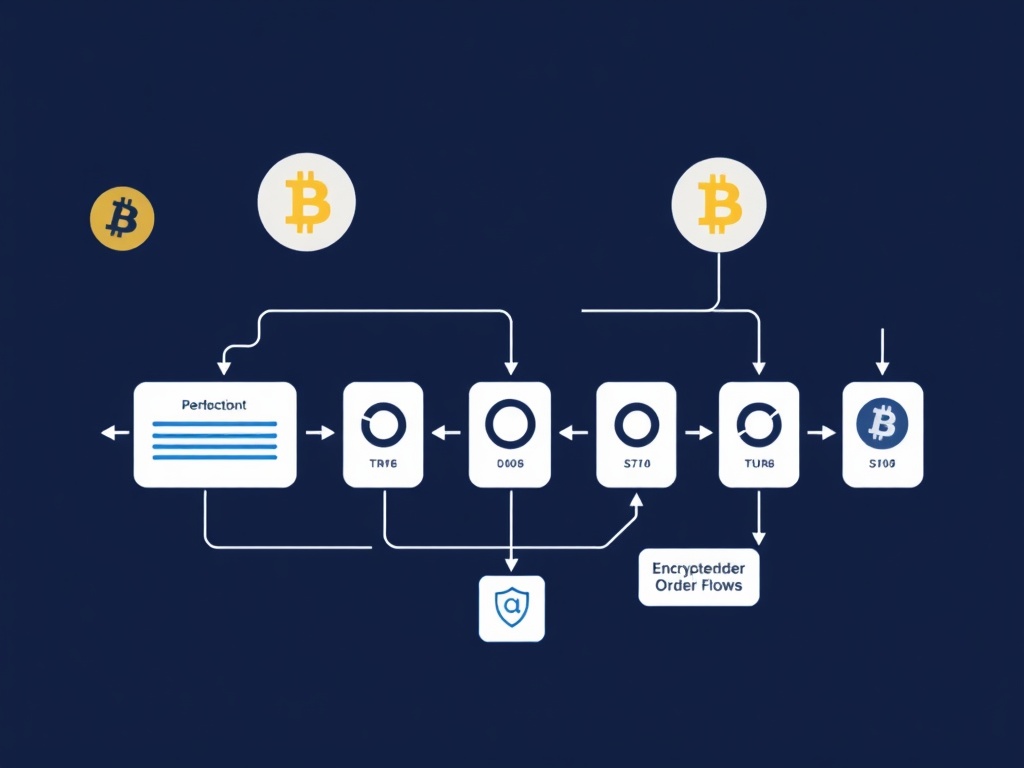
Understanding Encrypted Order Flow in BTC Mixers: A Comprehensive Guide
In the rapidly evolving world of cryptocurrency, privacy and security have become paramount concerns for users and developers alike. One of the most critical innovations in this space is the concept of encrypted order flow, which plays a pivotal role in ensuring the anonymity and integrity of transactions within BTC mixers. As the demand for decentralized financial systems grows, understanding how encrypted order flow functions within BTC mixers is essential for both users and service providers. This article delves into the mechanics, benefits, and challenges of encrypted order flow, providing a detailed exploration of its significance in the BTC mixer ecosystem.
The Role of Encrypted Order Flow in BTC Mixers
BTC mixers, also known as Bitcoin tumblers, are services designed to obscure the origin of Bitcoin transactions by mixing them with other users' funds. This process helps users maintain privacy and avoid tracking by blockchain analysts. However, the effectiveness of these mixers depends heavily on the security of the data transmitted during the mixing process. This is where encrypted order flow comes into play.
What Is Encrypted Order Flow?
Encrypted order flow refers to the process of securing the data related to Bitcoin transactions through advanced cryptographic techniques. In the context of BTC mixers, this involves encrypting the details of incoming and outgoing transactions to prevent unauthorized access or interception. By encrypting the order flow, BTC mixers ensure that sensitive information—such as the source and destination of funds—remains confidential.
The encryption process typically involves the use of symmetric or asymmetric encryption algorithms. Symmetric encryption, such as the Advanced Encryption Standard (AES), uses a single key for both encryption and decryption, while asymmetric encryption, like the Rivest-Shamir-Adleman (RSA) algorithm, employs a pair of keys—public and private. BTC mixers often utilize a combination of these methods to balance speed and security, ensuring that the encrypted order flow is both efficient and robust.
How Encrypted Order Flow Enhances Privacy
One of the primary advantages of encrypted order flow is its ability to enhance user privacy. By encrypting the data associated with Bitcoin transactions, BTC mixers make it significantly more difficult for third parties to trace the movement of funds. This is particularly important in an era where blockchain analysis tools have become increasingly sophisticated, allowing entities to track transactions with high precision.
For example, when a user sends Bitcoin to a BTC mixer, the mixer encrypts the transaction details before processing them. This means that even if an attacker gains access to the mixer's system, they would only see encrypted data, rendering it useless without the decryption key. This layer of security is crucial for users who prioritize anonymity, such as journalists, activists, or individuals operating in regions with strict financial regulations.
How Encrypted Order Flow Works in BTC Mixers
The implementation of encrypted order flow in BTC mixers involves several key steps, each designed to ensure the confidentiality and integrity of transaction data. Understanding these steps provides insight into how BTC mixers maintain their reputation as reliable privacy tools.
The Encryption Process in BTC Mixers
When a user initiates a transaction through a BTC mixer, the first step is to encrypt the order flow data. This data includes information such as the amount of Bitcoin being mixed, the source address, and the destination address. The encryption process is typically handled by the mixer's software, which applies a cryptographic algorithm to the data before it is transmitted to the mixer's servers.
Once encrypted, the data is stored in a secure environment, often using a decentralized or distributed ledger system to further enhance security. The mixer then processes the transaction by combining it with other users' funds, ensuring that the original source of the Bitcoin is obscured. After the mixing process is complete, the encrypted data is decrypted using the appropriate key, and the mixed Bitcoin is sent to the user's specified destination address.
Key Components of Encrypted Order Flow
Several components are essential to the successful implementation of encrypted order flow in BTC mixers. These include:
- Encryption Algorithms: The choice of encryption algorithm is critical to the security of the order flow. BTC mixers often use a combination of AES for symmetric encryption and RSA for asymmetric encryption to ensure both speed and security.
- Key Management: Proper management of encryption keys is vital to prevent unauthorized access. BTC mixers must implement secure key storage solutions, such as hardware security modules (HSMs), to protect the decryption keys from theft or misuse.
- Decentralized Storage: Storing encrypted data in a decentralized manner reduces the risk of a single point of failure. This approach ensures that even if one node in the network is compromised, the entire system remains secure.
Integration with Blockchain Technology
Encrypted order flow is not just a standalone feature but is deeply integrated with blockchain technology. BTC mixers rely on the transparency and immutability of the blockchain to verify transactions while maintaining user privacy. By encrypting the order flow, mixers can ensure that the blockchain records only the necessary information without exposing sensitive details.
For instance, when a user sends Bitcoin to a mixer, the mixer's system generates a unique identifier for the transaction. This identifier is then encrypted and stored on the blockchain, allowing the mixer to track the transaction without revealing the user's identity. This process ensures that the blockchain remains a reliable source of truth while preserving the privacy of individual users.
The Benefits of Encrypted Order Flow in BTC Mixers
The adoption of encrypted order flow in BTC mixers offers numerous benefits, making it an essential feature for users who prioritize privacy and security. These benefits extend beyond mere anonymity, encompassing aspects such as regulatory compliance, user trust, and technological innovation.
Enhanced Privacy and Anonymity
One of the most significant advantages of encrypted order flow is its ability to enhance user privacy. By encrypting the data associated with Bitcoin transactions, BTC mixers prevent third parties from tracking the movement of funds. This is particularly important for users who wish to avoid surveillance or maintain financial independence.
For example, in countries where cryptocurrency transactions are heavily monitored, encrypted order flow allows users to conduct transactions without fear of being identified. This level of privacy is crucial for individuals who may be targeted for their financial activities, such as whistleblowers or political dissidents.
Protection Against Blockchain Analysis
Blockchain analysis tools have become increasingly sophisticated, enabling entities to trace the flow of Bitcoin transactions with high accuracy. However, encrypted order flow acts as a barrier against these tools, making it significantly more difficult to trace the origin and destination of funds.
By encrypting the order flow, BTC mixers ensure that the data transmitted during the mixing process is unreadable to unauthorized parties. This not only protects the user's privacy but also reduces the risk of their transactions being linked to illicit activities, which is a common concern in the cryptocurrency space.
Compliance with Regulatory Standards
While privacy is a key concern for many users, BTC mixers must also navigate the complex landscape of regulatory compliance. Encrypted order flow plays a crucial role in this regard by ensuring that transactions adhere to legal standards while maintaining user anonymity.
For instance, some jurisdictions require BTC mixers to implement measures that prevent money laundering and other illegal activities. By encrypting the order flow, mixers can demonstrate their commitment to compliance while still offering users the privacy they desire. This balance between privacy and regulation is essential for the long-term viability of BTC mixers in the global financial ecosystem.
Challenges and Limitations of Encrypted Order Flow
Despite its numerous benefits, encrypted order flow is not without its challenges. Implementing and maintaining an encrypted order flow system requires significant technical expertise and resources. Additionally, there are potential vulnerabilities and limitations that must be addressed to ensure the continued effectiveness of BTC mixers.
Technical Complexity and Resource Requirements
One of the primary challenges of implementing encrypted order flow in BTC mixers is the technical complexity involved. Encryption algorithms require a deep understanding of cryptography, and integrating them into a BTC mixer's infrastructure demands significant resources. This includes not only the development of secure encryption protocols but also the maintenance of these systems to prevent vulnerabilities.
Moreover, the computational power required to encrypt and decrypt large volumes of transaction data can be substantial. BTC mixers must invest in high-performance hardware and software to handle the demands of encrypted order flow, which can be a barrier for smaller or less-established services.
Potential Vulnerabilities and Risks
While encryption is a powerful tool for securing data, it is not foolproof. There are several potential vulnerabilities that could compromise the integrity of encrypted order flow in BTC mixers. For example, if the encryption keys are not properly managed, they could be stolen or exposed, leading to unauthorized access to sensitive transaction data.
Additionally, the use of outdated or weak encryption algorithms can render the system vulnerable to attacks. BTC mixers must regularly update their encryption protocols to stay ahead of emerging threats and ensure that their systems remain secure. This requires ongoing investment in research and development, as well as collaboration with cybersecurity experts.
Regulatory and Legal Concerns
Another challenge associated with encrypted order flow is the potential for regulatory scrutiny. While encryption is a legitimate tool for protecting privacy, some governments and regulatory bodies may view it as a means to evade oversight. This can lead to increased scrutiny of BTC mixers and the implementation of stricter regulations that could impact the availability and functionality of these services.
For example, in some jurisdictions, BTC mixers may be required to implement Know Your Customer (KYC) procedures, which could conflict with the privacy goals of encrypted order flow. Balancing the need for privacy with regulatory compliance is a delicate task that requires careful consideration and strategic planning.
Best Practices for Implementing Encrypted Order Flow in BTC Mixers
To maximize the benefits of encrypted order flow while mitigating its challenges, BTC mixers must adopt best practices that prioritize security, compliance, and user experience. These practices not only enhance the effectiveness of encrypted order flow but also build trust with users and regulatory authorities.
Regular Security Audits and Updates
One of the most critical best practices for implementing encrypted order flow is conducting regular security audits. These audits help identify potential vulnerabilities in the encryption system and ensure that the mixer's infrastructure remains secure. By working with third-party cybersecurity firms, BTC mixers can gain valuable insights into their systems and make necessary improvements.
In addition to audits, BTC mixers should also commit to regular software updates. This includes updating encryption algorithms, key management systems, and other components of the encrypted order flow process. Staying up-to-date with the latest advancements in cryptography ensures that the mixer remains resilient against emerging threats.
User Education and Transparency
Another essential best practice is educating users about the importance of encrypted order flow and how it contributes to their privacy. BTC mixers should provide clear and accessible information about their encryption methods, key management practices, and security protocols. This transparency helps build trust with users and encourages them to use the service with confidence.
Furthermore, BTC mixers should offer user-friendly interfaces that make it easy for individuals to understand and utilize encrypted order flow. This includes providing detailed documentation, tutorials, and customer support to assist users in navigating the encryption process.
Collaboration with Regulatory Authorities
To address regulatory concerns, BTC mixers should actively engage with regulatory authorities and industry groups. By participating in discussions about privacy and security, mixers can help shape policies that balance user privacy with legal requirements. This collaborative approach not only fosters a more favorable regulatory environment but also demonstrates the mixer's commitment to responsible innovation.
For instance, BTC mixers can work with regulators to develop guidelines for encrypted order flow that align with anti-money laundering (AML) and counter-terrorism financing (CTF) regulations. This proactive engagement can help prevent the implementation of overly restrictive measures that could hinder the growth of the BTC mixer industry.
The Future of Encrypted Order Flow in BTC Mixers
As the cryptocurrency landscape continues to evolve, the role of encrypted order flow in BTC mixers is likely to expand. Advances in cryptography, decentralized technologies, and regulatory frameworks will shape the future of this critical feature, ensuring that BTC mixers remain a vital tool for users seeking privacy and security.
Emerging Technologies and Innovations
One of the most promising developments in the field of encrypted order flow is the integration of emerging technologies such as zero-knowledge proofs and homomorphic encryption. These technologies have the potential to further enhance the privacy and security of BTC mixers by enabling transactions to be verified without revealing sensitive information.
For example, zero-knowledge proofs allow users to prove that a transaction is valid without disclosing the underlying details. This could revolutionize the way BTC mixers operate, making it even more difficult for third parties to trace the flow of funds. Similarly, homomorphic encryption enables computations to be performed on encrypted data, opening up new possibilities for secure and private transactions.
Global Adoption and Regulatory Evolution
The global adoption of encrypted order flow in BTC mixers will also depend on the evolution of regulatory frameworks. As more countries recognize the importance of privacy in the digital age, there is likely to be increased support for technologies that protect user data. This could lead to the development of standardized encryption protocols and regulatory guidelines that promote the responsible use of BTC mixers.
At the same time, the growing awareness of privacy issues among users is expected to drive demand for BTC mixers that prioritize encrypted order flow. This trend will encourage innovation in the industry, leading to the development of more advanced and secure mixing services that cater to the needs of a diverse user base.
Conclusion
In conclusion, encrypted order flow is a cornerstone of privacy and security in the BTC mixer ecosystem. By encrypting the data associated with Bitcoin transactions, BTC mixers provide users with the tools they need to maintain anonymity and protect their financial information. While challenges such as technical complexity and regulatory concerns remain, the benefits of encrypted order flow far outweigh these obstacles.
As the cryptocurrency industry continues to mature, the importance of encrypted order flow will only grow. By adopting best practices, staying informed about emerging technologies, and engaging with regulatory authorities, BTC mixers can ensure that they remain at the forefront of the privacy movement. For users, this means greater control over their financial data and the ability to transact with confidence in an increasingly interconnected world.