Understanding Private Token Transfers: A Comprehensive Guide for BTC Mixer Users

DeFi & Web3 Analyst
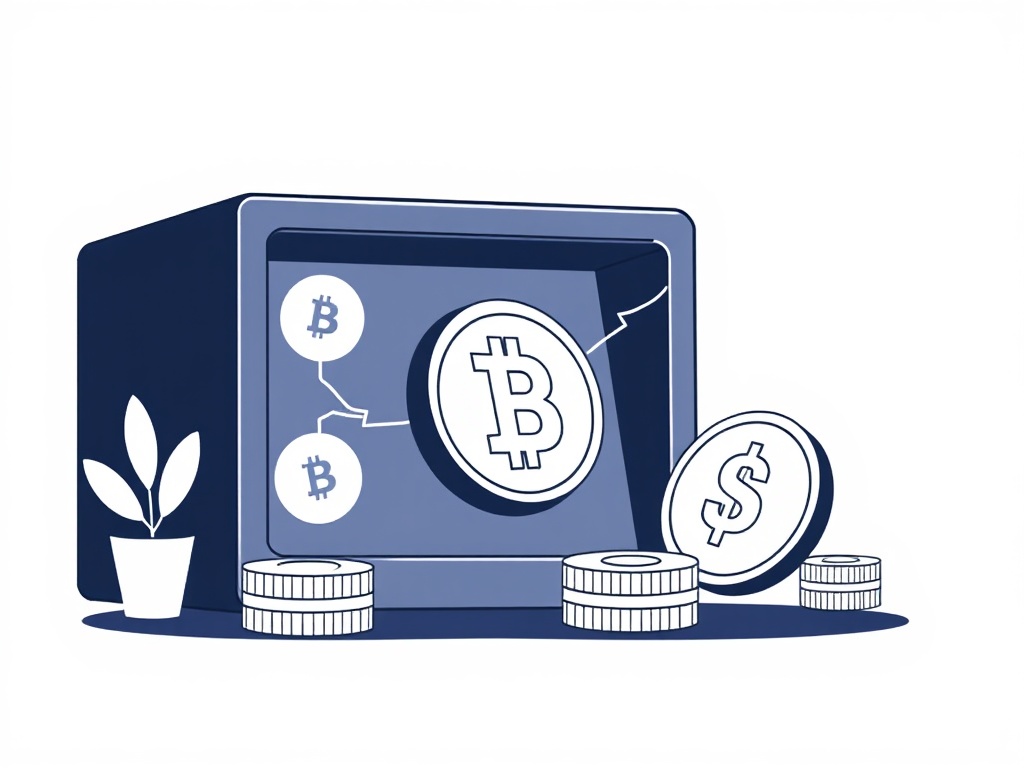
Understanding Private Token Transfers: A Comprehensive Guide for BTC Mixer Users
In the ever-evolving world of cryptocurrency, private token transfers have become a critical topic for users seeking enhanced privacy and security. As blockchain technology continues to mature, the demand for tools that protect user anonymity has grown significantly. BTC mixers, also known as cryptocurrency tumblers, play a pivotal role in this ecosystem by enabling users to obscure the origins of their digital assets. This article delves into the mechanics, benefits, and risks associated with private token transfers, providing a detailed overview for both novice and experienced users of BTC mixers.
What Are Private Token Transfers?
Private token transfers refer to the process of moving cryptocurrency assets between wallets while minimizing the visibility of the transaction trail. Unlike traditional blockchain transactions, which are publicly recorded and traceable, private token transfers leverage advanced techniques to anonymize the sender and receiver. This is particularly important in an era where blockchain analytics firms and regulatory bodies are increasingly capable of tracking cryptocurrency movements.
BTC mixers act as intermediaries in this process, breaking the link between the original transaction and the final destination. By pooling user funds and redistributing them through multiple addresses, these services make it significantly harder to trace the source of the funds. This is especially valuable for individuals and businesses that prioritize financial privacy or operate in jurisdictions with strict cryptocurrency regulations.
The Role of BTC Mixers in Private Token Transfers
BTC mixers are the backbone of private token transfers. These services function by receiving cryptocurrency from users, mixing it with other funds, and then sending it back to the user’s wallet through a different address. This process effectively obscures the transaction history, making it difficult for third parties to trace the origin of the funds.
One of the key advantages of using a BTC mixer is the ability to maintain anonymity. For example, if a user sends Bitcoin from a wallet linked to their personal identity, a mixer can help separate that transaction from their real-world identity. This is particularly useful for individuals who wish to avoid surveillance or protect their financial activities from prying eyes.
How Private Token Transfers Work
The process of executing a private token transfer involves several steps, each designed to enhance privacy and security. Understanding these steps is crucial for users who want to maximize the effectiveness of their transactions.
The Process Step-by-Step
- Initiating the Transfer: The user sends their cryptocurrency to the BTC mixer’s designated address. This is typically done through a wallet or exchange platform that supports the mixer’s services.
- Mixing the Funds: Once the funds are received, the mixer combines them with other users’ transactions. This step is critical, as it creates a complex web of transactions that are difficult to trace.
- Redistributing the Funds: After the mixing process is complete, the mixer sends the funds back to the user’s wallet through a different address. This ensures that the original transaction is no longer linked to the user’s identity.
- Verification: The user verifies that the funds have been successfully transferred and that the transaction history is no longer traceable.
Each of these steps is designed to enhance the privacy of the transaction. However, the effectiveness of private token transfers depends heavily on the reliability and security of the BTC mixer being used.
Security Measures in Private Token Transfers
Security is a top priority when it comes to private token transfers. BTC mixers implement various measures to protect user data and prevent unauthorized access. These include:
- Encryption: All transactions are encrypted to prevent interception by third parties.
- Two-Factor Authentication (2FA): Users are required to enable 2FA to access their accounts and initiate transfers.
- Regular Audits: Reputable mixers undergo regular security audits to ensure their systems are free from vulnerabilities.
By adhering to these security protocols, BTC mixers help mitigate the risks associated with private token transfers, such as hacking or data breaches.
Benefits of Using Private Token Transfers
Private token transfers offer several advantages for users who prioritize privacy and security. These benefits make them an attractive option for individuals and businesses alike.
Enhanced Anonymity
One of the primary benefits of private token transfers is the ability to maintain anonymity. By using a BTC mixer, users can obscure the origin of their funds, making it nearly impossible for third parties to trace the transaction. This is particularly important for individuals who wish to avoid surveillance or protect their financial activities from being monitored.
Reduced Risk of Fraud
Traditional cryptocurrency transactions are vulnerable to fraud and theft. However, private token transfers reduce this risk by eliminating the need for direct peer-to-peer transactions. Instead, the funds are routed through a mixer, which acts as a neutral intermediary. This minimizes the chances of fraudulent activity and ensures that the user’s assets remain secure.
Compliance with Privacy Laws
In some jurisdictions, cryptocurrency transactions are subject to strict privacy laws. Private token transfers allow users to comply with these regulations by ensuring that their financial activities remain confidential. This is especially relevant for businesses that operate in regions with stringent data protection laws.
Risks and Considerations
While private token transfers offer significant benefits, they are not without risks. Users must be aware of potential pitfalls and take necessary precautions to protect their assets.
Potential Scams
One of the most significant risks associated with private token transfers is the possibility of scams. Not all BTC mixers are trustworthy, and some may be operated by malicious actors who steal user funds. To mitigate this risk, users should conduct thorough research before selecting a mixer. Look for services with a proven track record, positive user reviews, and transparent security policies.
Regulatory Concerns
As governments around the world tighten their regulations on cryptocurrency, the use of private token transfers may face increased scrutiny. Some jurisdictions have implemented laws that require users to disclose the source of their funds, which could undermine the privacy benefits of BTC mixers. Users should stay informed about local regulations and ensure that their activities comply with applicable laws.
Best Practices for Secure Transfers
To maximize the effectiveness of private token transfers, users should follow best practices that enhance security and privacy. These guidelines can help minimize risks and ensure a smooth transaction process.
Choose a Reputable BTC Mixer
Selecting a reliable BTC mixer is the first step in ensuring the success of private token transfers. Look for services that have a strong reputation, transparent fee structures, and robust security measures. Avoid mixers that lack clear information about their operations or have a history of security breaches.
Use Strong Passwords and 2FA
Protecting your account with a strong password and enabling two-factor authentication (2FA) is essential for securing your private token transfers. These measures prevent unauthorized access to your account and reduce the risk of theft.
Regularly Update Your Software
Keeping your wallet software and BTC mixer tools up to date is crucial for maintaining security. Updates often include patches for vulnerabilities that could be exploited by hackers. Make sure to install updates promptly to protect your assets.
Verify Transaction Details
Before initiating a private token transfer, double-check all transaction details, including the recipient address and the amount. A single mistake can result in the loss of funds, so it’s important to be meticulous during the process.
Conclusion
Private token transfers have become an essential tool for users seeking to protect their financial privacy in the cryptocurrency space. By leveraging BTC mixers, individuals and businesses can obscure the origins of their funds and reduce the risk of surveillance or fraud. However, it’s important to approach these transfers with caution, as the effectiveness of private token transfers depends on the reliability of the mixer and the user’s adherence to security best practices. As the cryptocurrency landscape continues to evolve, staying informed and proactive will be key to navigating the complexities of private transactions.