Understanding Your Financial Privacy Right in the Digital Age

Digital Assets Strategist
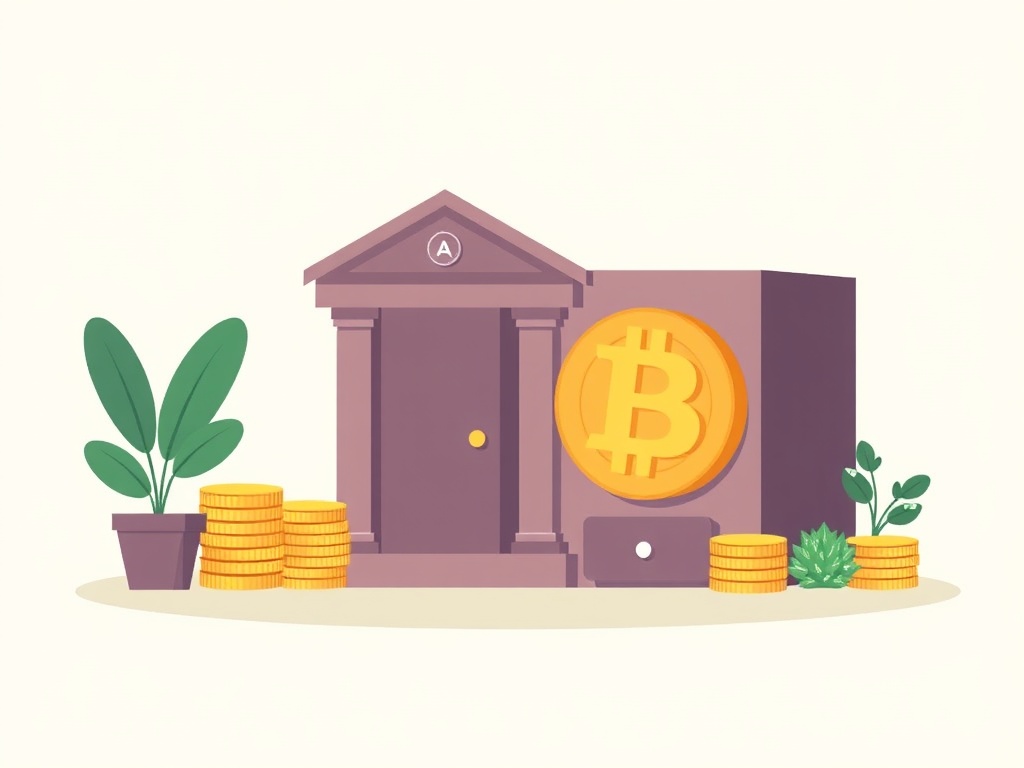
Understanding Your Financial Privacy Right in the Digital Age
In an era where digital transactions dominate our financial lives, the concept of financial privacy right has become increasingly important. As cryptocurrencies and blockchain technology reshape how we think about money, understanding your rights to financial privacy has never been more crucial. This comprehensive guide explores what financial privacy right means, why it matters, and how you can protect yourself in today's interconnected world.
What Is Financial Privacy Right?
Financial privacy right refers to the fundamental ability of individuals to keep their financial transactions, assets, and economic activities confidential from unauthorized parties. This right encompasses the freedom to conduct financial transactions without unnecessary surveillance, the protection of financial data from unauthorized access, and the ability to maintain financial autonomy.
The concept of financial privacy right has evolved significantly over time. Historically, cash transactions provided a natural layer of privacy, but the shift toward digital payments has created new challenges. Today, financial privacy right extends beyond simple transaction secrecy to include data protection, identity protection, and the right to financial self-determination.
Legal Framework Surrounding Financial Privacy Right
Different jurisdictions approach financial privacy right differently. In the United States, various laws such as the Right to Financial Privacy Act and the Gramm-Leach-Bliley Act provide certain protections. The European Union's General Data Protection Regulation (GDPR) also includes provisions that indirectly support financial privacy right by giving individuals control over their personal data.
However, the legal landscape remains fragmented. While some countries recognize financial privacy right as a fundamental human right, others prioritize financial surveillance for anti-money laundering (AML) and counter-terrorism financing (CTF) purposes. This tension creates a complex environment where individuals must navigate competing interests between privacy and regulatory compliance.
Why Financial Privacy Right Matters
Financial privacy right is not merely about keeping your bank balance secret—it's about protecting fundamental freedoms and preventing potential harms. When individuals lose their financial privacy right, they become vulnerable to various risks including identity theft, financial discrimination, and even political persecution.
Protection Against Financial Surveillance
Without proper financial privacy right protections, every transaction you make can be tracked, analyzed, and potentially used against you. Financial institutions, payment processors, and government agencies can build detailed profiles of your spending habits, income sources, and financial relationships. This level of surveillance can lead to profiling, discrimination, and the chilling of legitimate financial activities.
Consider how financial surveillance can impact everyday decisions. People may avoid supporting certain causes, refrain from donating to specific organizations, or hesitate to engage in legal but potentially controversial financial activities if they believe their transactions are being monitored. This self-censorship undermines personal freedom and democratic participation.
Security Benefits of Financial Privacy Right
Strong financial privacy right protections also serve as a security measure. When your financial information is kept private, you reduce the risk of becoming a target for criminals. Identity thieves, scammers, and other malicious actors often rely on accessible financial data to carry out their schemes. By maintaining your financial privacy right, you create an additional barrier against these threats.
Moreover, financial privacy right helps protect against data breaches. As we've seen with numerous high-profile hacks of financial institutions and payment processors, even the most secure systems can be compromised. The less financial information that is collected and stored, the less there is to potentially expose during a breach.
Challenges to Financial Privacy Right in the Digital Era
The digital transformation of finance has created unprecedented challenges to maintaining financial privacy right. While technology has brought convenience and efficiency, it has also introduced new vulnerabilities and surveillance capabilities that previous generations never had to consider.
Cryptocurrency and Financial Privacy Right
Cryptocurrencies were initially hailed as a solution to financial privacy right concerns, offering pseudonymous transactions and decentralization. However, the reality has proven more complex. While cryptocurrencies like Bitcoin provide more privacy than traditional banking, they are not inherently private. Every transaction is recorded on a public blockchain, creating a permanent record that sophisticated analysis can potentially link to real-world identities.
This is where Bitcoin mixers, also known as Bitcoin tumblers, come into play. These services help protect financial privacy right by breaking the link between the sender and receiver of cryptocurrency transactions. By mixing coins from multiple users, these services make it significantly more difficult to trace the flow of funds, thereby enhancing financial privacy right for cryptocurrency users.
Regulatory Pressures on Financial Privacy Right
Governments worldwide have implemented increasingly stringent regulations that impact financial privacy right. Know Your Customer (KYC) requirements, transaction reporting thresholds, and suspicious activity reporting all contribute to a financial surveillance infrastructure that can erode individual privacy rights.
While these regulations are often justified as necessary for preventing financial crime, they create a system where ordinary citizens must sacrifice their financial privacy right to access basic financial services. This trade-off raises important questions about the balance between security and privacy in modern society.
Protecting Your Financial Privacy Right
Despite the challenges, there are practical steps you can take to protect your financial privacy right. Understanding these strategies empowers you to make informed decisions about your financial activities and maintain greater control over your personal information.
Using Privacy-Enhancing Technologies
Several technologies can help you maintain your financial privacy right. Privacy-focused cryptocurrencies like Monero and Zcash use advanced cryptographic techniques to obscure transaction details. Bitcoin users can employ mixing services to enhance their privacy when using the world's most popular cryptocurrency.
Additionally, privacy-focused wallets and tools can help protect your financial privacy right by implementing features like coin control, which allows you to manage which coins you spend, and avoiding address reuse, which prevents transaction linking. These technical measures, when used properly, can significantly enhance your financial privacy right.
Best Practices for Financial Privacy Right
Protecting your financial privacy right often requires adopting new habits and being mindful of your financial activities. Here are some practical steps you can take:
- Use cash for transactions when possible and appropriate
- Be selective about which financial institutions you trust with your data
- Regularly review privacy policies and opt out of data sharing when possible
- Use strong, unique passwords and enable two-factor authentication on financial accounts
- Consider using virtual private networks (VPNs) when accessing financial services online
- Be cautious about sharing financial information on social media or public forums
The Future of Financial Privacy Right
As technology continues to evolve, the landscape of financial privacy right will undoubtedly change. Emerging technologies like zero-knowledge proofs, confidential transactions, and decentralized finance (DeFi) protocols offer new possibilities for enhancing financial privacy right while maintaining the benefits of digital finance.
Balancing Privacy and Regulation
The future of financial privacy right will likely involve finding better ways to balance individual privacy rights with legitimate regulatory needs. This might include privacy-preserving compliance technologies that allow for regulatory oversight without requiring mass surveillance of all financial transactions.
Additionally, as public awareness of financial privacy right issues grows, we may see increased demand for privacy-protecting financial services and stronger legal protections for financial privacy right. This could lead to a renaissance in privacy-focused financial innovation that respects individual rights while meeting regulatory requirements.
The Role of Education in Financial Privacy Right
Education will play a crucial role in the future of financial privacy right. As financial systems become more complex, individuals need better understanding of how their financial privacy right can be protected and why it matters. This includes not only technical knowledge about privacy-enhancing tools but also awareness of legal rights and the broader implications of financial surveillance.
Financial institutions, regulators, and privacy advocates all have roles to play in educating the public about financial privacy right. By fostering a more informed dialogue about these issues, we can work toward financial systems that better respect and protect individual privacy rights.
Conclusion: Taking Control of Your Financial Privacy Right
Your financial privacy right is a fundamental aspect of personal freedom in the digital age. While the challenges to maintaining this right are significant, understanding the issues and taking proactive steps can help you protect your financial privacy right in an increasingly connected world.
Whether through using privacy-enhancing technologies, adopting best practices for financial privacy, or advocating for stronger legal protections, each individual has the power to influence the future of financial privacy right. By staying informed and making conscious choices about your financial activities, you can help ensure that financial privacy right remains a cornerstone of personal freedom in the digital era.
Remember that financial privacy right is not about hiding illegal activities—it's about maintaining control over your personal information and protecting yourself from unnecessary surveillance. In a world where data has become one of the most valuable commodities, protecting your financial privacy right is an investment in your personal security and freedom.